- Your cart is empty
- Continue Shopping
Benefits of Slow Feeder Bowls for Dogs
-
By Yash
- Posted on
- 0 comments
- Nutrition & Feeding
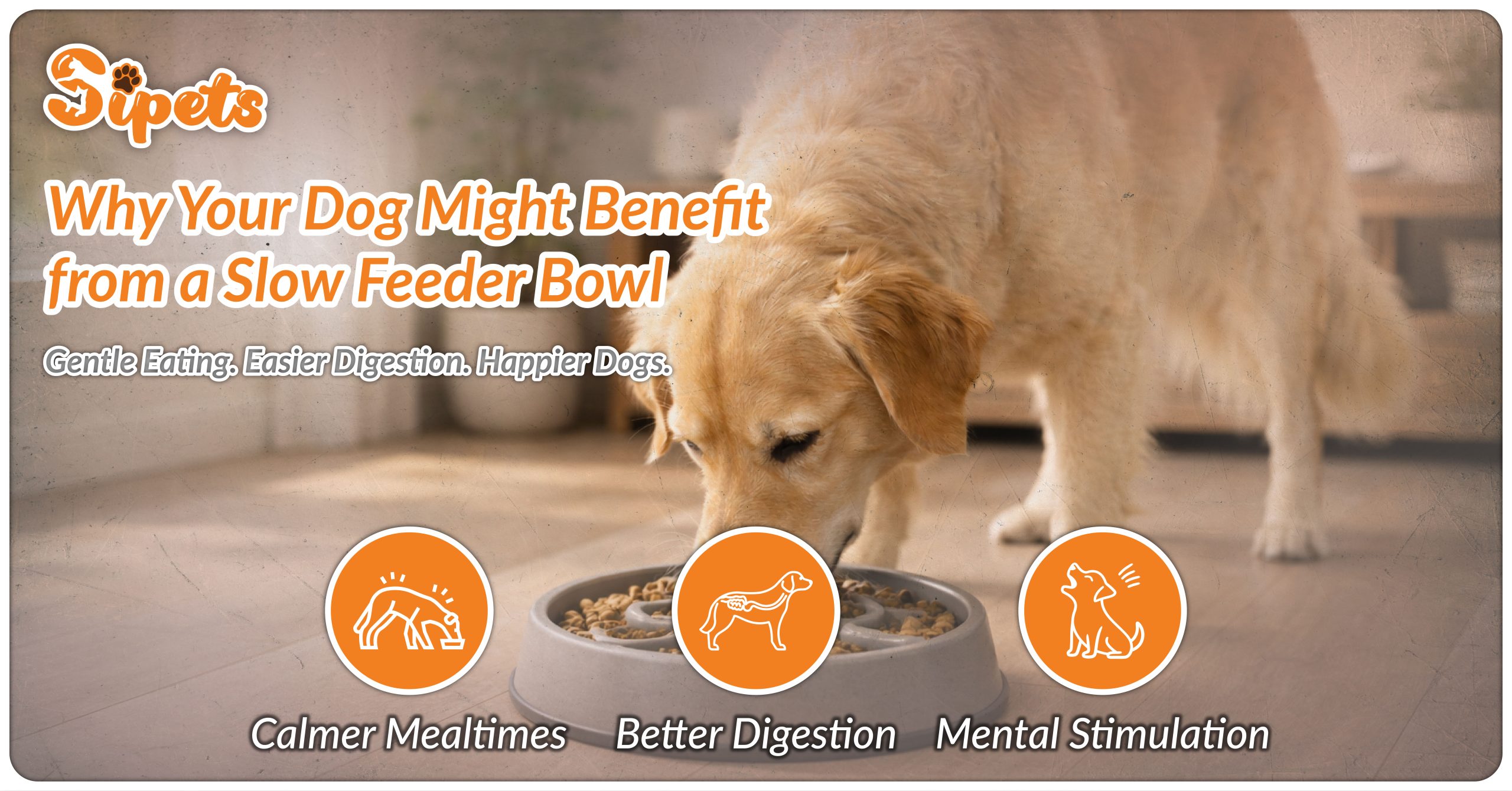
If your dog finishes their dinner before you’ve even had time to put the kettle on, this one’s for you.
You tip the food into the bowl, turn around for two seconds, and when you look back… it’s gone. No chewing. No pause. Just a shiny empty bowl and a dog licking the floor in case they missed something.
It’s funny at first. Then you notice the hiccups. The wind. The pacing around after meals. And you start wondering whether eating that fast can really be doing them any favours.
That’s usually the point when people start looking into a slow feeder dog bowl — and honestly, for many dogs, it’s a quiet little game-changer.
Why Dogs Rush Their Food in the First Place
It’s Not Bad Manners — It’s Instinct
Most dogs don’t eat fast because they’re greedy. They eat fast because food is exciting.
Some dogs have that “what if it disappears?” mindset, especially rescues or dogs who once had to compete for meals. Others just get overwhelmed by the smell and taste and lose all sense of pacing.
From their point of view, eating quickly feels sensible. From our point of view, it looks like chaos.
Fast Eating Can Upset Dog Digestion
When food goes down in a rush, it doesn’t get chewed properly. That means more air swallowed and more work for the stomach to do.
Poor dog digestion often shows up as:
- Bloating or gassiness
- Regurgitating food shortly after eating
- Restlessness or discomfort
- Irregular bowel movements
It’s not dramatic — just uncomfortable. And often unnecessary.
What a Slow Feeder Dog Bowl Actually Changes
It Introduces Feeding Control Without Stress
A slow feeder isn’t about denying food or making mealtimes frustrating. It simply changes how your dog eats.
Instead of gulping everything at once, your dog has to work around gentle ridges or patterns in the bowl. They still get the same food — just at a steadier pace.
That built-in feeding control helps your dog slow down naturally, without feeling punished or confused.
Slower Eating Is Kinder on the Stomach
When dogs eat more slowly:
- They chew more
- They swallow less air
- Their stomach has time to keep up
The result? Less bloating, fewer hiccups, and a dog who actually looks comfortable after meals instead of pacing around like something’s not quite right.
Real Benefits You’ll Actually Notice
Calmer Mealtimes
Fast eaters often turn feeding time into a high-energy event. Bowls get pushed around. Food ends up on the floor. The dog stays hyped even after the meal’s finished.
A slow feeder naturally lowers the intensity. Eating becomes quieter, steadier, and — honestly — far less messy.
Less Wind (Which Everyone Appreciates)
This is one benefit most owners don’t need selling on.
Slower eating usually means less swallowed air. Less air means less gas. And that’s a win for everyone sharing the house.
Gentle Mental Stimulation
Slow feeders aren’t puzzle toys, but they do make dogs think just a little.
That bit of mental engagement can help dogs feel more settled after meals, especially those who tend to get bored or restless.
Are Slow Feeders Suitable for All Dogs?
Yes — With a Bit of Common Sense
Puppies, adult dogs, and even seniors can benefit from a slow feeder dog bowl. The key is choosing one that suits your dog’s size, muzzle shape, and eating style.
Shallow patterns for flat-faced dogs. Deeper ridges for dogs who really inhale their food.
If it looks like a bowl your dog can work with — they probably can.
The First Meal Might Be Awkward (That’s Normal)
Some dogs stare at a slow feeder like it’s personally offended them.
Give them time. Stay nearby. Keep things calm. Most dogs figure it out surprisingly quickly — often faster than their owners expect.
Choosing a Bowl That’s Actually Practical
Not all slow feeders are well designed.
A good one should:
- Stay put while your dog eats
- Be easy to wash
- Be made from safe, sturdy materials
- Slow eating without causing frustration
If you’re looking for a no-nonsense option that balances feeding control with comfort, this 👉 Slow Feeder Dog Bowl – Anti-Gulp Design is a solid choice for dogs who tend to rush their meals.
A Quick Word on Expectations
A slow feeder won’t magically turn your dog into a polite diner overnight.
What it will do is gently encourage better habits, meal after meal. Less rushing. Less discomfort. More relaxed feeding overall.
That kind of change adds up.
Final Thoughts: Slowing Down Is Sometimes the Kindest Thing
A slow feeder dog bowl isn’t about control. It’s about care.
When dogs eat more slowly, their digestion improves. Mealtimes feel calmer. And they’re simply more comfortable afterwards.
If your dog eats like they’re in a race, slowing things down might be one of the easiest ways to improve their daily routine — without stress, drama, or force.
Sometimes, doing less… actually helps more.