- Your cart is empty
- Continue Shopping

Dishwasher Safety for Dog Bowls
-
By Yash
- Posted on
- 0 comments
- Uncategorized
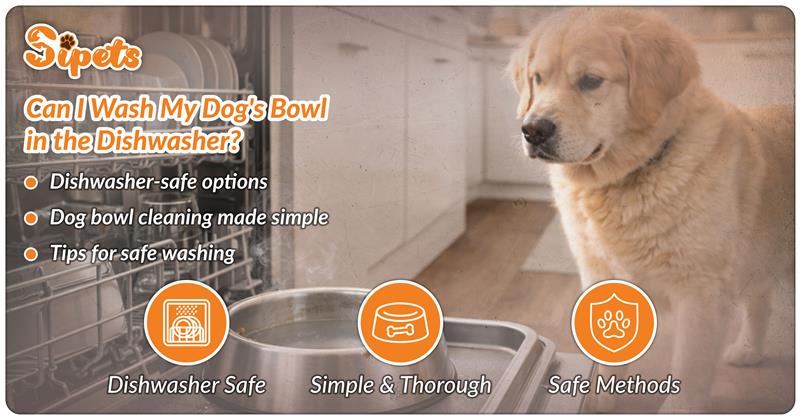
At some point, every dog owner pauses mid-kitchen clean and thinks the same thing:
“Can I just stick this in the dishwasher… or is that a bad idea?”
You’re holding a dog bowl that’s had raw food, saliva, crumbs and who knows what else in it — and you’re eyeing the same dishwasher that cleans your plates and mugs. It’s a fair concern, and no, you’re not being fussy.
The good news is this: washing dog bowls doesn’t need to be complicated, awkward or stressful. You just need to know what’s sensible, what actually works, and what’s best avoided.
Why Dog Bowl Cleaning Feels Like a Bigger Deal Than It Should
Most of us are pretty good at keeping our dogs’ bowls looking clean. A rinse here, a scrub there. But bowls are one of those things that get used every single day — often twice a day — and small habits add up.
It’s Not About Being Perfect
You don’t need sterile lab conditions. You just need to stop old food residue and moisture hanging around long enough to cause problems.
That’s it.
Is It Sanitary to Wash Dog Bowls in the Dishwasher?
Short answer? Yes — in many cases, it’s absolutely fine.
In fact, for certain bowls, the dishwasher can be one of the most effective ways to clean them properly.
Why the Dishwasher Often Does a Better Job
Dishwashers use:
- Higher water temperatures than most taps
- Detergents designed to break down grease and residue
- Longer wash cycles
That combination is very good at dealing with the everyday bacteria that build up in food and water bowls.
When the Dishwasher Makes Sense
Using the dishwasher works well if:
- The bowl is labelled dishwasher-safe
- You scrape off leftover food first
- You use a normal hot cycle
For many households, this is actually more thorough than a rushed hand wash.
Which Dog Bowls Are Dishwasher Safe (and Which Aren’t)?
This is where material really matters.
Stainless Steel Bowls
These are usually the safest bet. They’re non-porous, don’t hold smells, and handle heat well. Most stainless steel bowls are completely happy in the dishwasher.
Silicone Bowls and Mats
Good-quality silicone holds up very well in dishwashers. It doesn’t crack, doesn’t absorb odours, and cleans easily — which is why so many feeding mats and travel bowls are made from it.
Ceramic Bowls
Many ceramic bowls are dishwasher safe — but only if they’re in good condition. Chips or cracks can trap bacteria, even after washing, so it’s worth checking regularly.
Plastic Bowls
Plastic is where things get a bit iffy. Over time, plastic scratches. Those tiny marks can trap residue and bacteria, and repeated dishwasher cycles can make the problem worse. If a plastic bowl looks worn or smells even after washing, it’s probably time to replace it.
Is It Safe to Wash Dog Bowls in the Kitchen Sink?
Yes — as long as you’re not cutting corners.
The Sink Isn’t the Enemy
There’s nothing unhygienic about washing dog bowls in the kitchen sink if they’re cleaned properly. The issue usually isn’t where they’re washed — it’s how.
Simple Things That Make a Difference
- Use hot water and washing-up liquid
- Don’t just rinse and call it done
- Rinse thoroughly
- Let bowls dry fully before reuse
If you’re handling raw meat at the same time, just wash bowls separately — the same way you’d separate chopping boards.
Dishwasher or Sink: Which One’s Better?
Honestly? Whichever you’ll do properly and consistently.
Dishwasher Pros
- Less effort
- Higher temperatures
- Easy to forget about once it’s on
Sink Washing Pros
- Immediate
- Better for delicate bowls
- No mixing with other dishes if that bothers you
A lot of dog owners use both, depending on the day — and that’s perfectly reasonable.
Don’t Forget the Feeding Area Itself
This bit gets overlooked all the time.
Bowls Aren’t the Only Problem
Food drops. Water splashes. Slobber travels. Even a clean bowl can sit in a not-so-clean area.
Why Bowl Mats Help
A non-porous feeding mat catches spills before they reach the floor. They’re easy to wipe down, and many can go straight into the dishwasher along with the bowls.
It’s one of those small things that quietly makes everything easier.
Common Dog Bowl Cleaning Mistakes
These are very normal — and very fixable.
Just Rinsing Instead of Washing
Looks clean, isn’t clean.
Leaving Bowls Damp
Moisture hanging around encourages bacteria. Always let bowls dry properly.
Keeping Old, Damaged Bowls
Scratches, cracks and warping aren’t just cosmetic — they make bowls harder to clean properly.
A Realistic Cleaning Routine That Actually Works
Nothing fancy. Just practical.
- Wash food bowls daily
- Clean water bowls every day or two
- Dishwasher-clean when suitable
- Wipe feeding mats and nearby floor regularly
That’s enough for most homes.
Final Thoughts: Keep It Simple
Cleaning your dog’s bowl doesn’t need rules, guilt or overthinking. Whether you use the dishwasher or the sink, what matters is regular cleaning, decent materials, and not letting grime build up.
Do that, and you’re already doing right by your dog — without turning mealtimes into another thing to stress about.
FAQs
Can I wash dog bowls with my own dishes?
Yes — as long as the bowls are dishwasher safe and food residue is scraped off first.
Do I need a special dishwasher setting?
No. A standard hot cycle is usually fine.
Are silicone bowl mats dishwasher safe?
Most good-quality ones are, but always check the product details.
Is hand washing enough?
Absolutely, if you’re using hot water, detergent and cleaning regularly.
How do I know when a bowl needs replacing?
If it smells, looks scratched, or won’t clean properly anymore, it’s time.