- Your cart is empty
- Continue Shopping

How Much Water Should Your Dog Drink Daily?
-
By Yash
- Posted on
- 0 comments
- Nutrition & Feeding
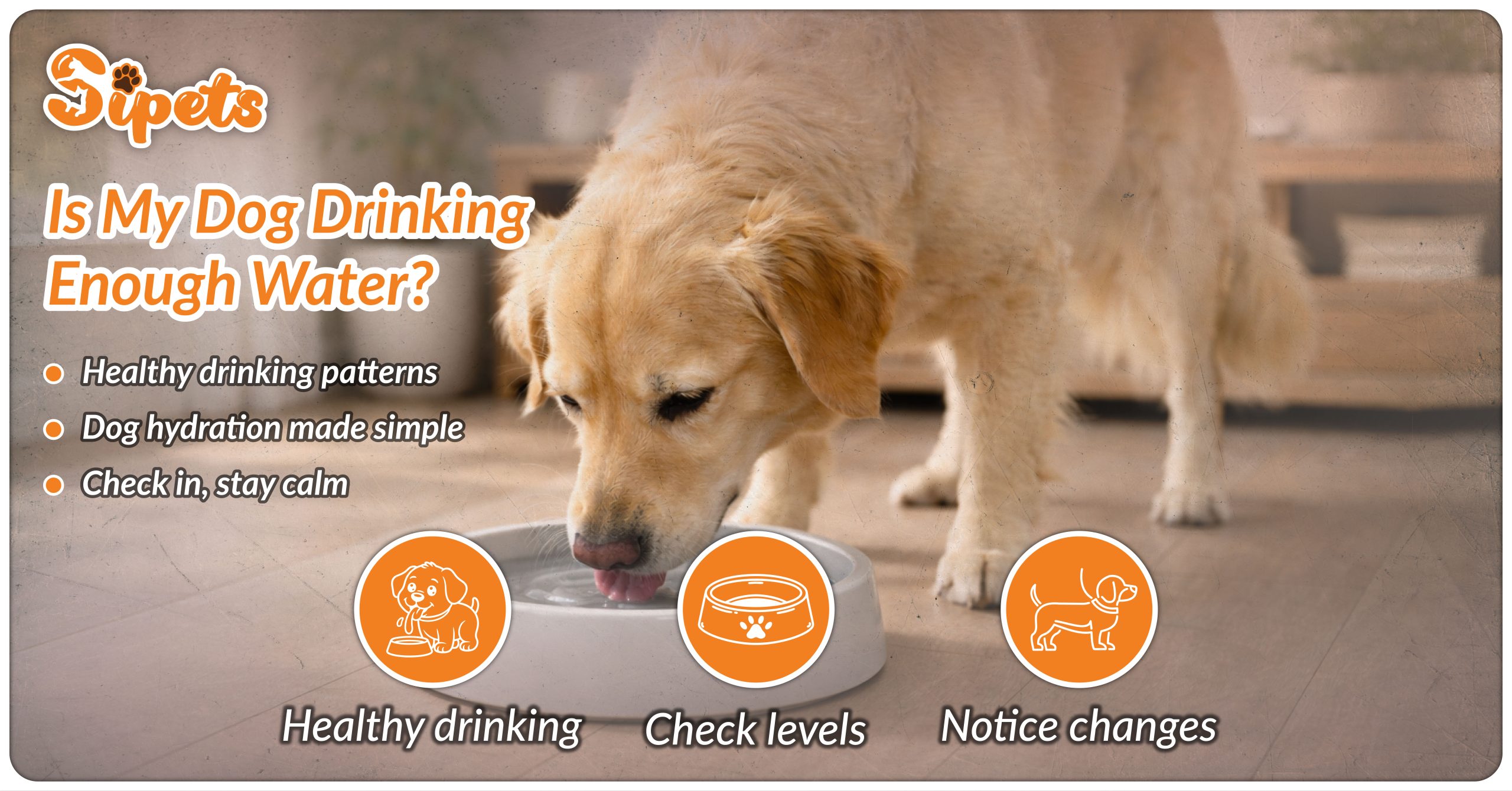
If you’ve ever stood in the kitchen watching your dog drink and thought, “Is that enough?” — you’re definitely not overthinking things.
Some dogs seem to drink constantly. Others take a few polite sips and walk away like they’ve got better things to do. On hot days, after long walks, or when your dog’s acting a bit off, it’s completely normal to start worrying about dog water intake.
The reassuring bit? You don’t need to track every mouthful. Once you understand what’s normal for your dog, hydration becomes far less stressful.
So… How Much Water Does a Dog Actually Need?
There’s a general guideline vets often use:
around 40–60ml of water per kilo of body weight per day.
That means:
- A small 10kg dog might need roughly half a litre
- A medium 20kg dog could be closer to a litre
- Big dogs naturally need more
But here’s the important part — this isn’t a rule, and it’s definitely not a target you need to hit exactly.
Dogs aren’t machines. Some days they’ll drink more, some days less, and that’s completely normal.
Why Your Dog’s Water Intake Changes Day to Day
Your dog’s thirst depends on far more than just size.
Things that affect how much they drink include:
- Warm weather (British summers might be short, but they still matter)
- Exercise and walk length
- Dry food versus wet food
- Age
- Stress, excitement, or changes in routine
A lazy day indoors will look very different from a day spent charging around the park or lying in the sun by the back door.
That’s why it’s far more helpful to notice patterns, not exact amounts.
How to Tell If Your Dog Is Drinking Enough
Most healthy dogs are actually very good at regulating themselves when water is easily available.
Signs things are probably fine:
- Gums are pink, not dry or sticky
- Energy levels feel normal
- They’re weeing regularly
- They bounce back quickly after walks
If all of that looks normal, chances are their hydration is too.
When Your Dog Might Not Be Drinking Enough
Sometimes the signs are subtle, especially at first.
Keep an eye out for:
- Lethargy or low energy
- Dry mouth or gums
- Darker urine
- Less interest in food
- Excessive panting without much activity
If something feels off and doesn’t improve, it’s always worth checking with your vet — even just for peace of mind.
Why Some Dogs Avoid Drinking (Even When Water Is There)
This surprises a lot of owners, but sometimes the problem isn’t the dog — it’s the bowl.
Slipping, Splashing, and Annoyance
If a bowl slides across the floor, splashes water up their nose, or makes drinking feel awkward, some dogs just… don’t bother.
Others gulp too fast, cough, then avoid the bowl altogether.
That’s where a calmer setup can really help. A non-spill slow drink dog water bowl keeps water steady, reduces splashing, and encourages slower, more comfortable drinking — especially helpful for excitable dogs or those who tend to make a mess.
Location Matters More Than You Think
Dogs notice things we don’t.
A bowl next to a washing machine, busy doorway, or loud appliance can put them off. Moving water to a quieter, familiar spot can make a surprising difference.
Simple Dog Hydration Tips That Actually Work
Refresh the Water More Often
Fresh water smells different to dogs than it does to us. Even if it looks clean, changing it a few times a day — especially in warm weather — can encourage more drinking.
Sneak in Extra Moisture
If your dog isn’t keen on drinking:
- Add a splash of water to dry kibble
- Mix in wet food occasionally
- Use dog-safe bone broth (no salt, onions, or additives)
These little changes quietly support hydration without making a fuss.
When Drinking Too Much Is Worth Noticing
Just as not drinking enough can be an issue, suddenly drinking far more than usual can also be a sign something isn’t right.
If your dog starts draining the bowl repeatedly, especially alongside:
- Weight loss
- Increased urination
- Behaviour changes
…it’s best to speak to your vet. It doesn’t always mean something serious, but it’s worth ruling things out.
Puppies, Older Dogs, and Water Needs
Puppies
Puppies drink in bursts. They’ll play hard, drink quickly, then crash out. That stop-start pattern is completely normal.
Just make sure water is always available.
Senior Dogs
Older dogs may drink more or less than they used to. Arthritis, dental issues, or medication can make drinking uncomfortable, so easy access really matters.
Final Thoughts: Hydration Doesn’t Need to Be Complicated
Looking after your dog’s hydration isn’t about measuring, counting, or worrying constantly.
It’s about:
- Fresh, accessible water
- A bowl that feels comfortable to use
- Noticing changes, not obsessing over numbers
With a few simple dog hydration tips and a setup that actually suits your dog, most dogs will happily drink exactly what they need.
And when drinking feels easy and stress-free, you can stop worrying and get on with enjoying life with them. 🐶💧