- Your cart is empty
- Continue Shopping

How to Choose the Right Collar for Your Dog
-
By Yash
- Posted on
- 0 comments
- Training & Behaviour
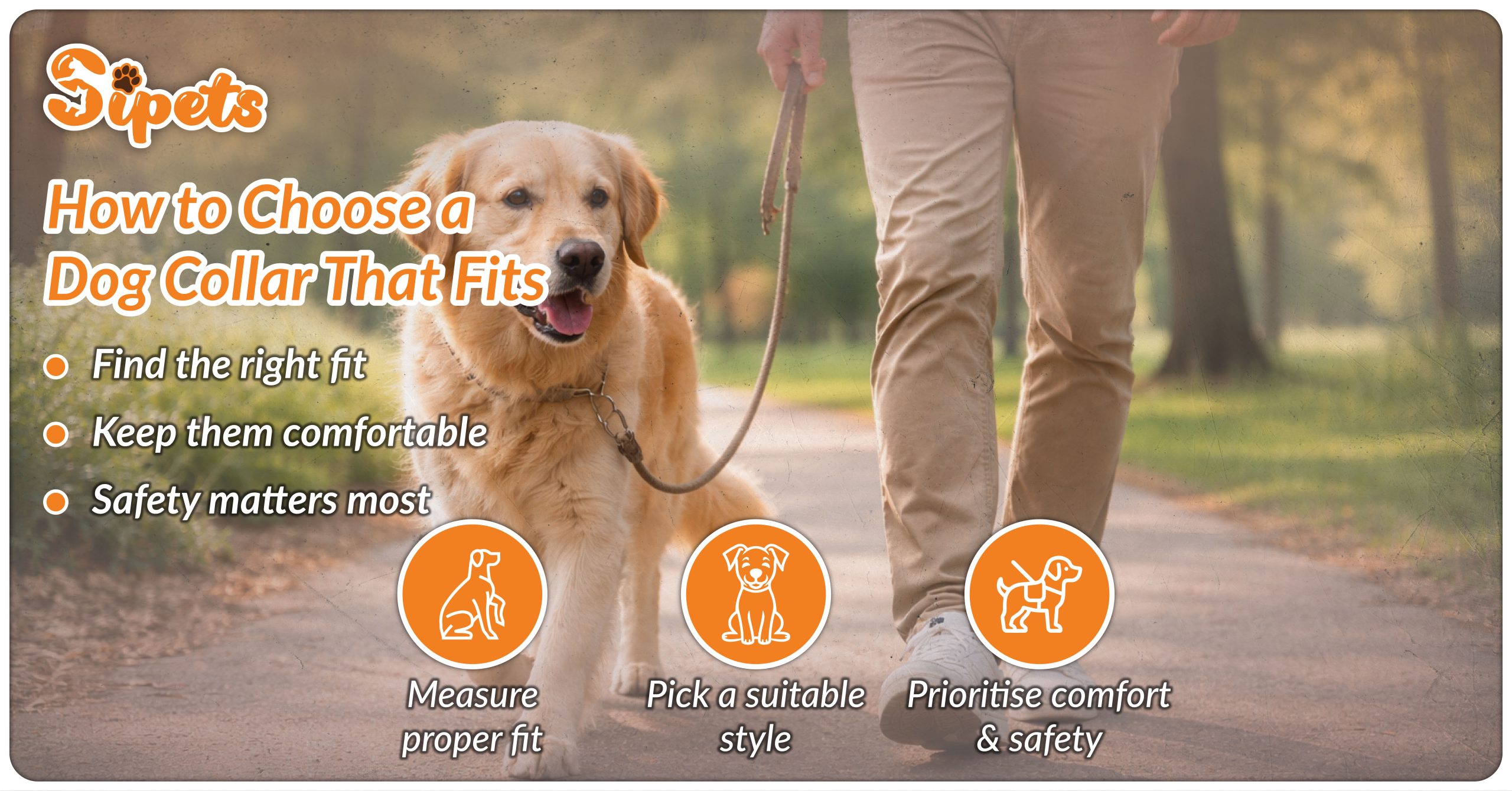
Choosing a dog collar sounds like it should be easy. You need one, you buy one, job done. But once you actually start looking, it quickly becomes confusing. Sizes, materials, clips, buckles, padding, waterproof options… suddenly you’re second-guessing everything.
If you’ve ever stood staring at collars wondering which one your dog actually needs, you’re not alone. Learning how to choose a dog collar isn’t about finding something fancy. It’s about comfort, safety, and choosing something that suits your dog’s real, everyday life.
Let’s break it down in a way that actually makes sense.
Why Choosing the Right Collar Matters
Your dog wears their collar a lot. Sometimes all day. It sits around a sensitive part of their body and affects how they move, how they’re handled, and how comfortable they feel.
A good collar should:
- sit comfortably without rubbing or digging in
- stay secure without being tight
- suit your dog’s size, strength, and habits
When a collar fits well, your dog barely notices it. When it doesn’t, you’ll see the signs pretty quickly.
Start With How the Collar Will Be Used
Before worrying about style, think about what the collar is actually for.
Everyday wear
If the collar is mainly for ID and general use, comfort is the priority. Lightweight collars that sit softly against the neck work best here.
Walking
Some people walk their dogs on collars, others prefer harnesses. If you do use a collar for walking, it needs to be strong and well fitted, especially if your dog pulls or lunges.
Puppies
Puppies grow fast. A collar that fits today might not fit in a few weeks. Adjustable collars are essential, and regular fit checks are part of responsible ownership.
Choosing the Right Material
You don’t need to overthink this. Most dogs do perfectly well with simple materials.
Fabric or nylon
These are popular for a reason. They’re light, adjustable, affordable, and comfortable. Ideal for puppies and everyday use.
Leather
Leather collars tend to suit adult dogs. They soften with time and can last for years if cared for. Many owners like the way they mould to the dog’s neck.
Waterproof options
If your dog loves swimming, mud, or wet walks, waterproof collars are practical and easy to clean. They don’t stay damp or smell after a muddy day out.
There’s no single best choice. The right one depends on your dog’s lifestyle.
Getting the Fit Right: A Simple Dog Collar Size Guide
This is the most important part.
A collar that’s too loose can slip off. One that’s too tight can cause discomfort, rubbing, or even breathing issues.
How to measure
Use a soft tape measure or a piece of string and measure around the base of your dog’s neck, where the collar naturally sits.
Check the sizing guide properly rather than guessing by “small” or “medium”.
The two-finger rule
Once the collar is on, you should be able to slip two fingers comfortably between the collar and your dog’s neck. That’s the easiest way to know it’s not too tight.
Keep checking
Dogs change shape. Puppies grow, adult dogs gain or lose weight, coats change with the seasons. Make checking the collar fit part of your routine.
Collar Width Matters More Than You Think
Width affects comfort more than most people realise.
- Small dogs usually feel better in slimmer collars
- Larger dogs benefit from wider collars that spread pressure more evenly
A narrow collar on a strong dog can dig in. A bulky collar on a small dog can feel heavy and awkward. Choose something proportionate to your dog’s size.
Buckle or Clip: What’s Better?
This mostly comes down to preference.
Buckle collars
These are traditional and sturdy. Many owners prefer them for larger dogs or dogs that pull.
Clip collars
Quick to put on and take off, which makes them convenient for daily use. Just make sure the clip feels strong and secure.
Both work well if they’re good quality and fitted properly.
ID Tags and Visibility
In the UK, dogs must wear ID when out in public. Your collar needs to hold tags securely without them constantly catching or twisting.
If you walk early in the morning or later in the evening, reflective stitching can also be useful, especially in darker months.
Signs the Collar Isn’t Right
Dogs don’t complain, but they do show discomfort in other ways.
Watch out for:
- constant scratching at the collar
- hair thinning around the neck
- reluctance when the collar goes on
- redness or irritation
If you notice these signs, it’s worth adjusting the fit or switching styles.
Final Thoughts: Comfort Comes First
Learning how to choose a dog collar isn’t about getting it perfect. It’s about choosing something your dog can wear comfortably, safely, and without stress.
A good collar doesn’t draw attention to itself. Your dog moves freely, behaves normally, and doesn’t seem bothered by it at all.
If that’s the case, you’ve chosen well. And that, honestly, is what matters most.