- Your cart is empty
- Continue Shopping

Puppy Safety Essentials Every New Pet Parent Needs
-
By Yash
- Posted on
- 0 comments
- Pet Care & Health
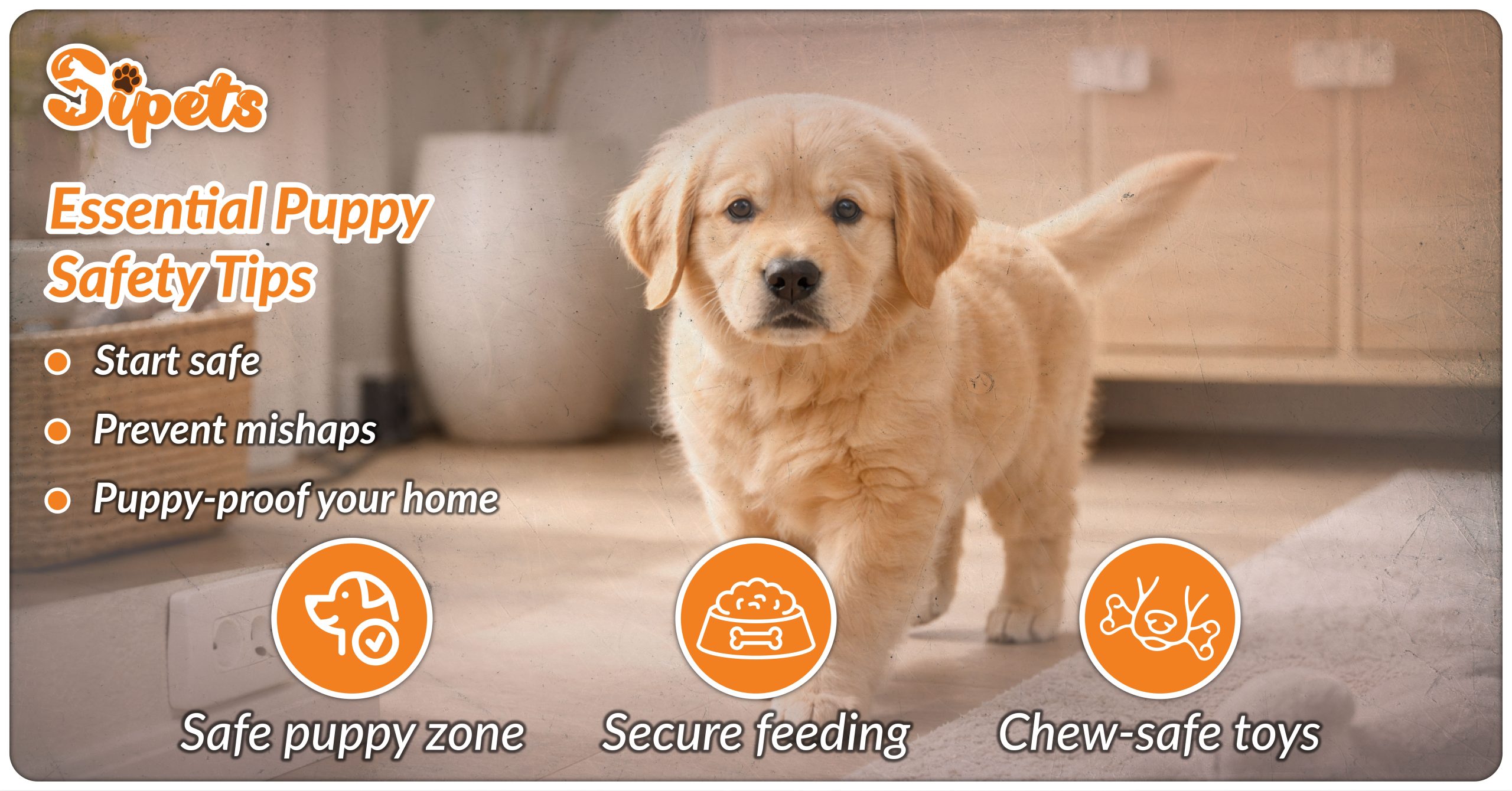
Bringing a puppy home is exciting, emotional, and slightly overwhelming — often all at once. One minute you’re watching them nap like an angel, the next they’re chewing something they absolutely shouldn’t be anywhere near.
That’s where puppy safety essentials come in. Not to turn your home into a padded cell, but to give your puppy a safe space to learn, explore, and grow without constant panic on your part.
If you’re new to this, take a breath. You don’t need everything. You just need the right things — and a bit of common sense.
Why Puppy Safety Matters More Than You Think
Puppies don’t have a built-in sense of danger. They explore the world with their mouths, their paws, and a lot of curiosity. What looks harmless to us can be genuinely risky to them.
Good puppy safety isn’t about hovering or restricting them. It’s about removing obvious hazards so your puppy can make mistakes safely — because they will make mistakes.
Puppy-Proofing Your Home (Without Going Overboard)
Before buying products, look at your home from puppy height.
Electrical Cables and Sockets
Loose wires are irresistible. Tuck cables out of reach or use simple cable covers. Plug socket covers are worth it too, especially during the chewing phase.
Cleaning Products and Chemicals
Cupboards under sinks are prime puppy territory. Either use child locks or store cleaning products higher up. Even “pet-safe” products shouldn’t be accessible.
Small Objects on the Floor
Shoes, socks, children’s toys, coins — if it fits in their mouth, it’s a risk. A quick daily floor check saves a lot of stress.
Creating a Safe Puppy Zone
One of the smartest puppy safety essentials is a designated safe area.
Playpens or Baby Gates
These give your puppy freedom without full access to the house. Ideal when you’re cooking, working, or just need five minutes to breathe.
Comfortable Bedding
A soft bed placed away from draughts, radiators, and heavy foot traffic helps your puppy settle and feel secure.
A Calm Retreat
Puppies get overstimulated easily. Having a quiet space they can retreat to makes a huge difference to their behaviour and confidence.
Feeding and Water Safety
Mealtimes can be surprisingly risky if not handled properly.
Stable Bowls
Lightweight bowls slide everywhere and encourage mess. Choose bowls that stay put to avoid spills and frustration.
Fresh Water Access
Always keep clean water available, but place bowls somewhere they won’t be kicked, tipped, or contaminated.
Watch What They Eat
Human food, bones, and random garden finds can cause serious issues. If it’s not meant for puppies, it’s a no.
Toys That Are Actually Safe
Not all toys are created equal.
Size Matters
Toys should be big enough that they can’t be swallowed, but not so large they’re awkward to carry.
Avoid Cheap Plastics
If it cracks, splinters, or shreds easily, it’s not suitable. Durable rubber or fabric designed for puppies is safer.
Rotate Toys
Too many toys at once can overwhelm a puppy. Rotating them keeps interest high and chewing focused where it should be.
Collar, Lead, and ID Safety
Even before proper walks begin, safety here is essential.
Lightweight Collar
Your puppy’s collar should be light, adjustable, and comfortable. Check the fit regularly — puppies grow faster than you think.
ID Tags
In the UK, dogs must wear identification in public. Even young puppies should get used to wearing a tag early.
Safe Leads
Avoid retractable leads for puppies. A simple, fixed-length lead offers better control and fewer accidents.
Garden and Outdoor Safety
If you have a garden, it needs just as much attention.
Secure Fencing
Check for gaps, loose panels, or low spots your puppy could squeeze through or dig under.
Plants and Lawn Products
Many common garden plants are toxic to dogs. Fertilisers, slug pellets, and weed killers should never be accessible.
Supervised Freedom
Even in a secure garden, puppies should be supervised. Curiosity plus silence usually means trouble.
Health and Hygiene Essentials
Safety isn’t just physical — it’s also about health.
Vet Registration
Register with a local vet early. Don’t wait for an emergency.
Flea, Worm, and Vaccination Plans
Your vet will guide you, but staying consistent is part of responsible puppy care.
Grooming Tools
Basic grooming helps you spot cuts, ticks, lumps, or skin irritation early.
A Simple Puppy Care Checklist
If it helps, think of your puppy care checklist like this:
- Safe sleeping space
- Secure feeding and water setup
- Puppy-proofed rooms
- Safe toys and chews
- Proper collar, lead, and ID
- Secure garden or outdoor plan
- Vet care organised
You don’t need perfection — just preparation.
Final Thoughts: Safety Builds Confidence
Puppy safety essentials aren’t about wrapping your dog in bubble wrap. They’re about giving them a world where curiosity doesn’t constantly lead to danger.
When your home is safer, your puppy relaxes faster. When your puppy relaxes, training gets easier, behaviour improves, and bonding feels natural instead of stressful.
You’ll still make mistakes. Every puppy parent does. But with the right setup, those mistakes are small, manageable, and part of learning — for both of you.
And that’s exactly how it should be.